An operating debrief · By Kannan Chotai
Profitto Agency
Building and operating the workflow
from advertising to client appointments.
I founded and operated Profitto Agency while in high school, signing and serving paying clients in the epoxy-flooring industry. I led a small team—a media buyer and a creative director—and took responsibility for client communication and the systems connecting advertising, lead qualification, scheduling, and follow-up.
I developed the offer, acquired clients, and recruited collaborators. Once clients were relying on us, the work meant coordinating creative delivery, resolving brand-asset problems, configuring automations, and testing whether appointment information reached the people who needed it.
Different roles.
A shared delivery.
I coordinated the media buyer’s campaign work and the creative director’s ad production around client requirements. That meant bringing together the brand assets, creative, advertising, and appointment process, and working through problems when those pieces did not fit.
- My ownership
- Client acquisition and communication; translating requirements into delivery; coordinating the team and brand assets; configuring automations; testing and troubleshooting the lead-to-appointment workflow.
- Media buyer
- Paid-media campaign execution in Meta’s advertising ecosystem.
- Creative director
- Production of the advertising creative used in campaigns. I coordinated that work with the client’s requirements and the rest of the delivery process.
Delegating campaign and creative work did not remove my responsibility for the final result. I still had to keep the work connected and respond when a client needed something fixed.
02 / The workflow
From interest to an appointment.
Five connected stages, each carrying information into the next.
- 01
Attract
Campaign creative and Meta advertising directed interested homeowners to a lead form.
Meta ads & lead forms - 02
Organize
Lead information entered the CRM, where workflows organized the inquiry for qualification and follow-up.
GoHighLevel CRM - 03
Qualify
AI-assisted SMS conversations gathered information and helped determine whether an inquiry should move toward booking.
Appointwise - 04
Schedule
The booking process connected the appointment to the client’s calendar.
Google Calendar - 05
Follow through
Notifications, reminders, and follow-up carried appointment details to the people who needed them.
Notifications & reminders
My workflow design
I designed the process across the platforms: configuring tools, connecting workflows, defining how information moved, testing integrations and output, and troubleshooting failures.
The booking worked.
The notification didn’t.
One example from the broader work of operating and troubleshooting the system.
Appointwise could collect information and complete a booking while the client notification still arrived incomplete. In one surviving test, the conversation contains an address, but the notification displays “undefined” in its place—even though the appointment time is present. A completed booking was not proof that the information had reached the client.
Try a fix
I tried custom workflows to populate the missing fields. When that did not solve it, I checked whether the problem was on the GoHighLevel CRM side. Those first attempts did not resolve the failure.
Work through it with support
I worked directly with platform support over roughly a week. The preserved WhatsApp exchange shows us discussing a conversation summary that would include the address; I also asked to include the Facebook form fields. Another message records the problem recurring after successful tests.
Verify the output
We got the notification working correctly. I verified that the required information reached the client-facing output and repeated the test.
Records from
the work.
The project record now includes original configuration screens, test conversations, support messages, a client video with its script, and a redacted payment record. Each example is connected to the part of the work it documents.
From script options to a finished video.
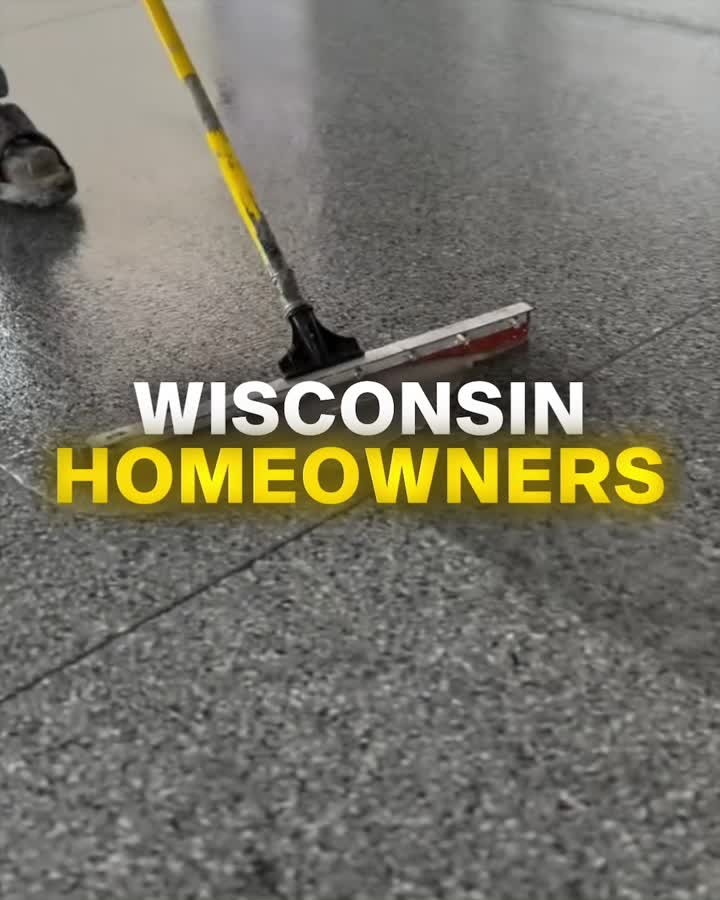 Watch the client ad and view its script →
Explore the complete process and evidence →
Private contact, billing, and account details are redacted in the supporting records.
Signing a client
was the beginning.
Profitto ultimately did not become a sustainable business. After its initial client engagements ended, the agency became inactive in December 2025.
The offer was only one part of the work. Creative had to fit the client, advertising had to attract suitable leads, qualification had to collect the right information, and software had to carry it through scheduling to the client. Each handoff had to keep working over time.
Resolving the notification problem fixed one part of that chain; it did not make the business sustainable. I came away with a more concrete understanding of the difference between selling a system, operating it, and delivering reliably enough for clients to continue relying on it.
Questions below
the interface.
Profitto showed me what connecting existing software could do, and where my understanding stopped. I could configure a workflow, but a failure between tools raised questions I could not answer just by looking at their interfaces.
I want to understand how data moves between systems, how program logic determines what happens next, and how integrations can be made reliable. What should a system check before calling a process complete? How should it expose missing information or a failed step?
Those questions give me a direct reason to study computer science more deeply. I want to move from configuring tools toward understanding—and eventually building—more of the software that connects them.